During October Observe Eczema Awareness Month
October 13, 2026
“Across our Central Florida communities, eczema awareness provides the first step for improving your skin health and quality of life.”
More than 31 million people in the United States live with eczema. Also known as atopic dermatitis, it is a noncontagious skin disorder that causes itchy, scaly patches of skin. In fact, according to the National Institute of Allergy and Infectious Diseases, about 10% to 30% of children and 2% to 10% of adults suffer with the skin condition that is also associated with the development of allergies and asthma. Plus, eczema flares can be sparked by environmental factors, stress, certain fabrics, or specific allergens and irritants.
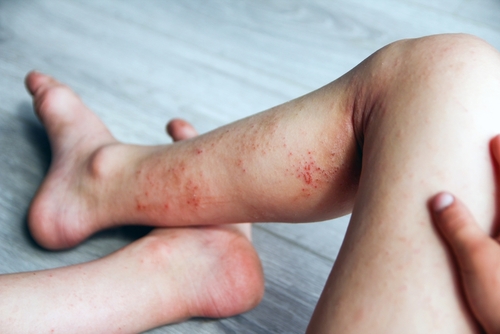
Eczema is a chronic condition with symptoms such as dry skin, severe itch, rashes, scaly patches, blisters, and skin infections. Beyond these visible symptoms, eczema can also lead to poor sleep quality, anxiety and depression, as well as place significant strain on families due to its link to other health conditions like asthma, allergies and hay fever. Organizations like the National Eczema Association and the Asthma and Allergy Foundation of America provide toolkits, share patient stories, and deliver educational events throughout October.
“Atopic dermatitis runs in families but is commonly driven by hidden environmental triggers linked to the patient,” says Orlando Mohs surgeon Dr. Michael Steppie. “Individuals with this skin condition are often more susceptible to skin infections and often complain about stress-related sleep disturbances.” Common symptoms of eczema include dry, scaly patches of skin and small bumps that open and weep when scratched. While a cure for eczema does not exist, treatments can greatly improve a patient’s quality of life simply by reducing his or her skin itching and inflammation.
Adult eczema treatments range from regular moisturizing and gentle skin care to prescription topical creams, phototherapy, and advanced biologic medications. Treatments available to children include steroid and nonsteroid creams, phototherapy, and oral or injectable (i.e., biologic) medications. In 2025, the American Academy of Dermatology updated its adult eczema treatment guidelines to include systemic immunomodulatory therapies, which change how the immune system functions, and newer topical therapies. Some of these are also available for children or adolescents today.
Is autoimmunity linked to eczema flares?
Although eczema is not classified as an autoimmune disorder, it has been clinically linked to several autoimmune diseases and immune-mediated health conditions. While classic autoimmunity involves your immune system attacking specific healthy tissues, eczema is driven by an impaired skin barrier and a dysregulated, overactive (type-2) inflammatory response. However, because both share underlying immune system overactivity and genetic overlaps, having one immune-related condition can raise the likelihood of developing another. Commonly linked autoimmune conditions may include alopecia, vitiligo, Crohn’s disease and ulcerative colitis, celiac gluten intolerance, rheumatoid and psoriatic arthritis, and Hashimoto’s hypothyroidism.
Culprits that trigger eczema after skin contact
Adults, adolescence and children with eczema should avoid harsh ingredients like fragrances, essential oils, and drying alcohols that strip the skin barrier and cause flare-ups. Found in scented lotions, body washes, and creams, these ingredients are known causes of allergic reactions. Additionally, drying alcohols like ethanol, isopropyl, and denatured alcohol can dehydrate the skin and ruin the skin’s moisture barrier. Parabens and formaldehyde-releasers may trigger contact dermatitis, while harsh physical scrubs can damage inflamed skin. Moreover, hot showers or long soaks in the tub can strip away essential skin oils, and scratchy or tight fabrics can trap heat and worsen itching. Avoid scented laundry soaps and fragrant fabric softeners as they can leave chemical residues on clothes too.
Understanding Severity of Eczema Types
There is no "worst" type of eczema. Atopic dermatitis is, however, often considered the most severe and widespread type of eczema because it is chronic, highly systemic, and can cover larger portions of the body. Nonetheless, instead of one skin flare-up universally being the worse, any form of eczema can range from mild to severe based the skin affected and how intensely it impacts daily life.
Here’s some comparisons:
- Atopic Dermatitis: The most common and extensive form of eczema is atopic dermatitis. Severe cases can cause lots of redness, relentless itching, cracked skin, and painful sleep disruptions. It also carries a higher risk of serious bacterial skin infections like Staphylococcus aureus.
- Dyshidrotic Eczema (Pompholyx): Dyshidrotic eczema produces intensely itchy, painful, fluid-filled blisters on the palms of the hands and soles of the feet. The specific location of affected skin make walking or using your hands extremely painful during flare ups.
- Erythrodermic Eczema (Exfoliative Dermatitis): This rare eczema comes with life-threatening complications where the skin rash spreads to cover over 90% of the body. It causes the skin to shed rapidly, which impairs body temperature regulation and requires immediate emergency medical care.
Eczema flares are often considered to be the worst during childhood between ages 2 to 4 years old. This is when toddlers experience more intense itching and the rash itself can become “red and raw” from constant scratching. The condition may peaks in severity during this window of time. But, eczema can also develop for the first time after age 18 with another potential peak in adult cases occurring around age 50.
QUESTIONS & ANSWERS - Eczema and Atopic Dermatitis
Q: Why is my eczema spreading?
A: Your eczema is may appear to spread because of the damaged skin barrier, scratching, or triggers that cause flare-ups on new areas of skin. But eczema is not a contagious skin condition. During a flare, or what is often called the “Itch-Scratch” cycle, eczema can expand to other parts the body. The initial skin injury releases chemicals that increase inflammation, and as the rash grows larger, it can quickly pop up on nearby skin. In addition, broken skin may allow bacteria to enter more easily, and most skin infections can make a simple rash look like eczema is spreading more rapidly. If you see signs of pus, yellow crusting or experience severe pain or skin warmth, its likely due to a secondary skin infection.
Q: What aggravates eczema flare-ups the most
A: The “Itch-Scratch” cycle related to dry skin aggravates eczema the most by allowing irritants to enter the broken skin and moisture to escape from the weakened skin barrier. Soaps, detergents, fragrances, and dyes found in household and personal care items strip away natural oils and the lack of moisture causes the skin barrier to crack and become vulnerable. Additionally, poorly managed stress causes the body to release cortisol that activates widespread systemic inflammation throughout the body. Moreover, sudden weather changes and environmental allergens can worsen eczema rashes.
Q: How does the 3-minute rule for eczema work?
A: The 3-minute rule for eczema is a dermatologist-recommended habit of applying a thick moisturizer within three minutes of stepping out of a bath or shower. Since daily bathing temporarily puts water into the skin, it seals in hydration by evaporating quickly to pull natural moisture with it. So putting on a moisturizer while the skin is still damp locks in that water. Repeating this routine quickly after bathing prevents the dry, itchy feeling that happens when skin loses moisture after a wash. But take a short wash using lukewarm (not hot) water for 10 minutes or less. Then, use a towel by patting gently (do not rub) to allow your skin to stay a little moist and cover it with a fragrance-free cream or ointment moisturizer all over your body.
Q: Do medications clear up atopic dermatitis quickly?
A: To clear up eczema quickly, you need to repair the damaged skin barrier, stop the itch, and calm inflammation. So, for starters slather on plain petroleum jelly (like Vaseline) or a heavy cream with ceramides right after a lukewarm bath. While your skin is still damp, you can apply a mild hydrocortisone cream to inflamed patches to reduce swelling, redness and fast-track the healing process. If you soak in a tub with colloidal oatmeal for 10 to 15 minutes, it can soothe intense itching. But, put a damp layer of cotton clothing over your moisturized skin, then cover it with a dry layer to lock in hydration. Now for the hard part… do not scratch. Scratching breaks the skin and causes more inflammation. In addition, avoid perfumed lotions, harsh soaps, and scented laundry detergents as fragrances often trigger flare-ups.
Q: Will eating anti-inflammatory foods calm eczema flares?
A: Anti-inflammatory foods like fatty fish, colorful fruits and fresh vegetables, as well as probiotic-rich dietary choices can help calm eczema flares by reducing your body’s systemic inflammation. Salmon, mackerel, and sardines all three contain omega-3 fatty acids that help fight inflammation. Moreover, low-glycemic veggies (dark leafy greens, broccoli, spinach) act as natural plant antioxidants to help protect skin cells, while probiotic foods like Greek yogurt, kefir and sauerkraut support gut health to restore immune system balance. While eczema triggers vary from one person to the next, common culprits that worsen eczema often include dairy, eggs, soy, wheat or gluten, added sugars, and overly-processed food items.
__________________________
Eczema is a chronic inflammatory condition that extends far beyond the aggravation of having dry itchy skin. It can profoundly affect every aspect of a person's daily life, including the quality of sleep at night. A deeper understanding of this most common skin condition has revolutionized treatment options by moving away from temporary fixes toward more comprehensive, long-term skincare solutions. It all starts with understanding your triggers, so call 800-827-7546 to schedule an appointment with a dermatologist; or make your next appointment online at one of our thirteen Central Florida offices in Orlando, Altamonte Springs, Apopka, Celebration, Clermont, Davenport, Dr. Philips, Hunter's Creek, Kissimmee, Mount Dora, Ocoee, Poinciana, or St. Cloud.